
Tin tức
Chicken Road title Slot Largest Wins Recorded

I view Chicken Road online betting as an arcade-style casino game, not a standard slot. Still, many UK players search for “Chicken Road slot biggest wins”. The name is misleading, but in a useful way: there are no reels, rows, or paylines to verify. A chicken advances across lanes while traffic endangers each step, and the multiplier climbs until I cash out or get hit. That variation changes how I consider every claim about a record win.
How the Game Works: Tracks, Payout Multipliers and Cashing Out
I first pick a bet that matches my funds, then start the game. The chicken moves forward automatically or one lane at a time, according to the version and settings. Each track passed raises the payout odds. Anytime before a crash, I can collect and lock in the current return. If a car hits the chicken, the game stops and the stake is gone.
The excitement grows because subsequent paths provide greater multipliers but also more risk. I think of it as a risk scale: early collections are easier to achieve but pay less, while ambitious targets mean surviving more traffic. There’s no payline pattern to learn and no symbol frequency to count, so I pay attention to bet amount, goal multiplier, and my loss limit.
A basic illustration clarifies the numbers. With a £2 bet and cash out at 25x, I receive £50 before any conditions apply. If I wait for 100x, the maximum winnings is £200, but the probability of reaching it is lower. I never treat a high multiplier as a promise; it’s an aim that only pays out when I click collect.
Bonus Rounds and Multipliers: What Can Drive a Session Higher
Chicken Road lacks free spins, wild symbols, scatter symbols, or paylines in the standard version. I mention that clearly because players coming from slot searches may expect a bonus round. The multiplier ladder is the feature that counts: every lane cleared increases the potential return, and the cash-out button converts that potential into a real result.
Some builds may include usability options like auto-cash-out settings, sound controls, or turbo-style pacing. I view those as tools, not bonus features. Auto-cash-out can aid me stick to a target without emotion, but it does not affect the underlying risk. I still need to grasp the stake, the multiplier target, and the maximum payout cap.
Because there are no free spins or wilds to trigger, the game’s excitement is concentrated in the decision to continue or stop. I find that more straightforward than a slot bonus round because I can see the current multiplier and choose my exit. The trade-off is that there’s no separate feature to rescue a bad round; discipline counts more than chasing a trigger.
Stake Range, Maximum Win and What Counts as a Major Chicken Road Win
Stake ranges in Chicken Road-style games often start at minor stakes, often around 10p or equivalent, and go up to a limit set by the version I’m playing. I examine the stake selector before commencing because the lowest and highest can change between builds. A prudent UK player should view the maximum stake as a ceiling, not a goal, notably in a high-volatility game.
The maximum win is usually stated as a multiplier ceiling in the game rules. I look for that cap before chasing a big goal because it indicates to me whether an aggressive cash-out is even possible. There’s no set or increasing jackpot in the standard game, as I interpret it; the highest payout comes from the multiplier ladder and the appropriate cap, not from a distinct jackpot pool.
For me, a major win has two aspects: the multiplier reached and the cash amount paid out. A 200x cash-out on a £1 stake is £200, while a 50x cash-out on a £10 stake is £500. The next is the greater cash win even if the multiplier is smaller. I apply that distinction when I come across a headline about the biggest Chicken Road wins recorded.

RTP, Kolísavost and the Calculations Behind Documented Wins
Výplatní poměr, or player return, is the long-term theoretical rate paid back to players over countless rounds. I verify the game’s own info panel because Chicken Road versions can differ, and I don’t rely on a generic figure taken from another page. The RTP tells me about the house edge over time, not what’ll happen in my next session or in any particular recorded win.
Volatility is high in practical terms because one badly timed step can eliminate the round. I don’t view Chicken Road as a low-variance grind with constant small returns. The game benefits players who withdraw early with lower multipliers, while players chasing large multipliers take on a greater chance of forfeiting the stake. That risk profile accounts for why big wins stick in the memory but aren’t typical.
The maths also influences how I read win claims. A 1,000x screenshot is not necessarily more impressive than a 100x screenshot if the stakes are unequal. I contrast the cash return, the stake, the cash-out multiplier, and the maximum payout cap listed in the game rules. Without those details, a “record” claim is merely a tale, not a validated result.
How to Experience Chicken Road for UK Players and Record Your Own Wins
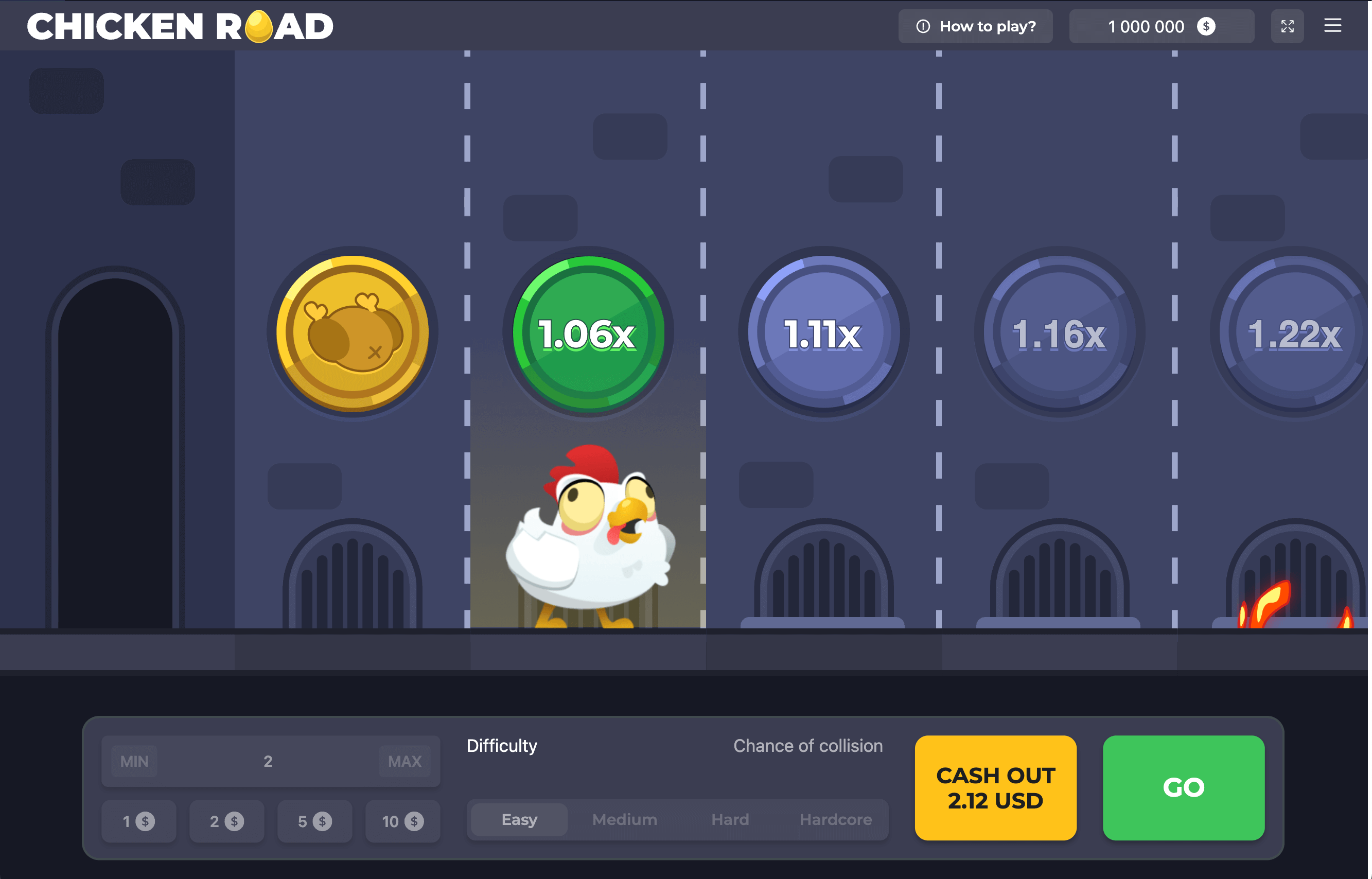
For UK readers, I’d start by ensuring that I’m 18 or over and participating through a licensed provider. I then open the game’s information panel to examine the stake range, RTP, maximum win cap, and any version-specific rules. If a demo mode is available, I use it first to learn the pace without wagering money.
To play, I select my stake, initiate the round, and follow the chicken move. I determine my cash-out target before the round commences, because adjusting it mid-round is where emotion creeps in. If I achieve my target, I cash out. If I fail, I halt rather than raising the stake to recoup. That approach maintains the game within my budget and renders my own results easier to judge.
I log my sessions with simple notes: stake, cash-out multiplier, cash paid back, and whether I set a target. Over time, that record shows my real results better than memory. It also assists me compare my wins with online claims, because I can see how often a high multiplier actually occurs and how much cash it generated at my stake size.
What exactly Chicken Road Is and Why precisely Its Wins Are Different
Chicken Road is a unique casino game built around a road-crossing theme. I select a stake, move the chicken forward lane by lane, and monitor the potential return climb. Every completed step bumps up the multiplier, but each new lane adds more risk because traffic can terminate the round. The excitement isn’t spinning symbols; it’s determining when to stop before the chicken gets hit.
InOut Games publishes it, and I’d label it a crash-style or instant-win title, not a reel-based slot. That matters because the typical slot terms don’t apply. There are no reels, rows, paylines, wilds, scatters, or free spins in the standard version. The multiplier ladder is the primary mechanic, and the cash-out decision is the main skill-like element.
When people inquire about the biggest Chicken Road wins recorded, I explain to them a win is the stake multiplied by the cash-out point. A £1 stake cashed out at 50x returns £50, while a 10p stake at 500x also gives £50. So a prominent multiplier can seem huge while the actual cash amount is modest. I always differentiate the multiplier size from the money won.
Biggest Wins Recorded: The Public Evidence Shows and Methods to Interpret Claims
I haven’t found a single official public leaderboard for Chicken Road wins that I can cite as definitive. Most “biggest win” claims originate from player screenshots, video clips, or affiliate posts. That doesn’t make them false, but it signifies I regard them as unverified save when the stake, multiplier, cash return, and game version are all shown and uniform.
A trustworthy claim should show the cash-out multiplier and the stake, not just a large number on screen. I also verify whether the return exceeds the maximum win cap stated in the game rules; if it does, the claim requires explaining. I search for the game name, the provider, and the date, because different builds or rule sets can alter what a result signifies.
I also keep in mind that a record multiplier is not the same as a record cash win. A player who collects at 1,000x on a 10p stake wins £100, whereas a player who collects at 100x on a £10 stake wins £1,000. When I evaluate claims, I convert everything to cash at the declared stake so the comparison is equitable.
My practical approach is to savor the stories barring treating them as targets. Chicken Road is a high-risk game, and pursuing a screenshot-sized multiplier is a fast way to lose perspective. I determine a budget, use a cash-out target, and stop when the session is done. That’s more beneficial to me than any unverified record claim.

